
Key Takeaway
Bone health in the elderlyThere is a tendency for deterioration with age, due to the decrease in bone mass, weakened muscles, and reduced balance ability, which increases the risk of osteoporosis, osteoarthritis, and falls that may lead to fractures. Therefore, bone care should be comprehensive, including a diet for the elderly that is rich in calcium, vitamin D, omega-3, magnesium, vitamin K, and type II collagen, along with appropriate lifestyle behaviors such as regular exercise, getting mild sunlight, weight management, reducing risky behaviors, and ensuring a safe home environment. Additionally, bone health should be monitored with a doctor to assess risks and plan appropriate care, which will help the elderly move confidently, reduce the chances of falling, and maintain long-term quality of life.
Table of Content
- Relevant statistics
- calcium
- Vitamin D
- Omega 3
- magnesium
- Vitamin K
- Type II collagen
- Exercise appropriately.
- Get regular exposure to gentle sunlight.
- Control your weight.
- Reduce risky behaviors.
- Creating a safe home environment.
- Regularly consult your doctor about bone health care.
- Q: At what age should the elderly start taking care of their bones?
- Q: Do elderly people need to take bone health supplements?
- Q: What foods should be avoided if you want to take care of your bones?
- Q: Does bone care really help reduce the risk of falls?
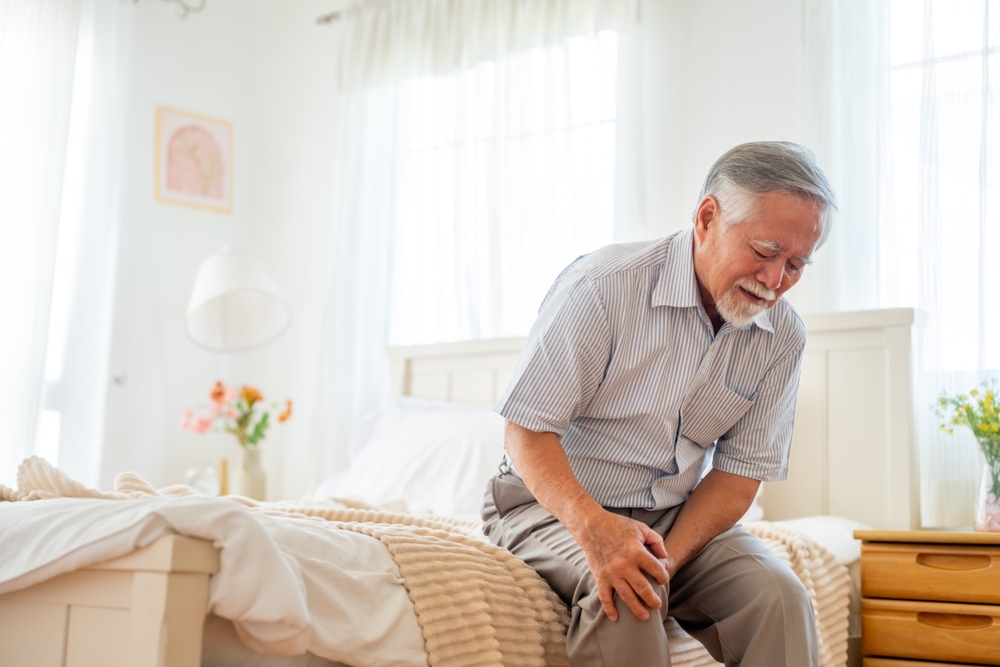
As we age, our bodies naturally undergo changes. One of the systems that is clearly affected is the "bones and joints." This includes the gradual decrease in bone mass, joints that start to feel stiff, or knee pain that makes daily movements less fluid than before.
Although bone degeneration is an inevitable issue, what can be done is to care for and slow down these changes with proper nutrition. For instance, consuming bone-nourishing foods for the elderly alongside lifestyle habits that align with their age can help ensure that seniors remain mobile and confident, while also reducing the risk of falls, which is a significant cause of health issues and can be life-threatening.
Common bone diseases in the elderly.
Bone health supplements or bone nourishment for the elderly may seem distant for most people, but in reality, it is something that should be prioritized early on to prevent your loved ones from facing bone diseases that affect mobility and quality of life, such as
- OsteoporosisIt is a condition where bone mass and strength decrease, making bones brittle and more prone to fractures. Many people may not realize this until they experience a fracture from a minor impact. This is why it is especially important to pay attention to taking osteoporosis supplements for the elderly.
- Osteoarthritis is a condition where the cartilage in the joints gradually deteriorates, leading to symptoms of pain and stiffness, especially in the morning or after prolonged sitting, affecting walking, climbing up and down stairs, and balance.
- Risk of falls and fractures.As people age, muscle mass decreases, balance worsens, and vision and bodily responses slow down, increasing the risk of falls and fractures among the elderly.
Relevant statistics
Information fromInternational Osteoporosis FoundationIt is stated that osteoporosis is a global health issue, with approximately 1 in 3 women and 1 in 5 men over the age of 50 having a lifetime risk of fractures due to osteoporosis. Meanwhile, there are about 37 million fragility fractures occurring worldwide each year, averaging nearly 70 per minute. This reflects that osteoporosis is one of the major causes significantly affecting the quality of life of the elderly.
What should elderly people eat to prevent osteoporosis? ?
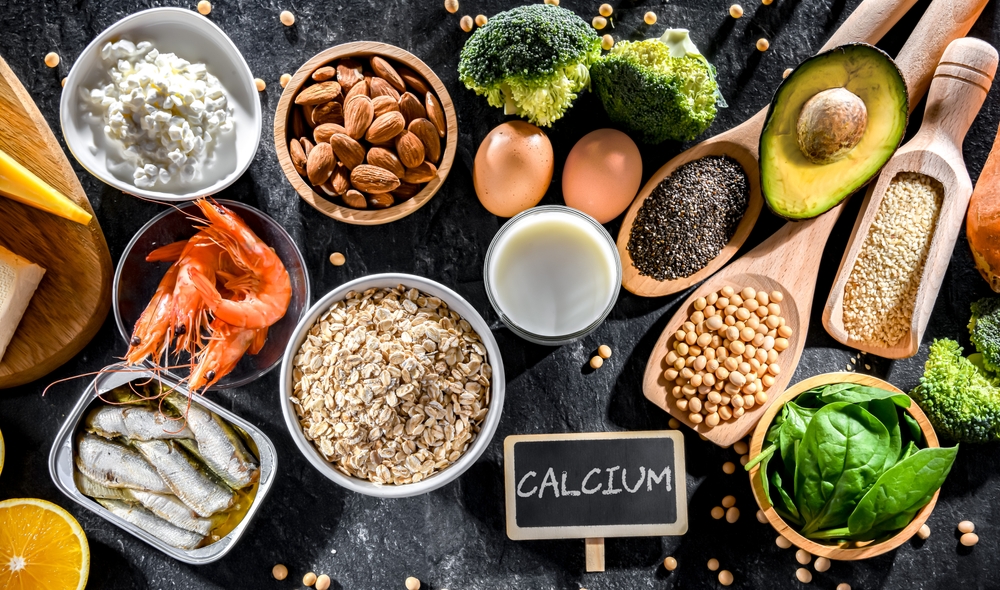
Eating for bone health in the elderly does not depend on just one type of nutrient, but requires multiple nutrients that work together. If you want to take care of bone degeneration in the elderly and are unsure about what to eat, it is recommended to choose foods that are rich in these nutrients.
calcium
The main minerals that make up the structure of bones and teeth serve to help bones maintain strength and proper shape. If not received in sufficient amounts, the body will draw calcium stored in the bones for use, leading to a decrease in bone mass.
Examples of foods containing calcium.
- Milk and dairy products
- Small fish that can be eaten whole, including the bones.
- tofu
- Sesame and other seeds.
- leafy green vegetables
Vitamin D
It plays an important role in helping the body absorb calcium from food into the bloodstream more effectively. If the body lacks vitamin D, even if sufficient calcium-rich foods are consumed, it may not be able to utilize it fully for bone formation.
Examples of foods containing vitamin D.
- Fatty fish such as salmon and sardines.
- yolk
- Shiitake mushrooms
Omega 3
Good fats play a role in balancing the inflammatory processes in the body, which are related to the breakdown of bones and the function of certain types of bone cells. Adequate intake of omega-3 therefore helps maintain overall bone health and the joint system.
Examples of foods containing omega-3.
- deep sea fish
- flax seeds
- chia seeds
- Walnut
magnesium
Minerals that are related to the regulation of calcium levels in the body allow bones to maintain an appropriate balance of minerals.
Examples of foods containing magnesium.
- Almonds
- Cashew nuts
- pumpkin seeds
- soybean
- Unrefined grains
- leafy green vegetables
Vitamin K
It plays a role in stimulating the activity of certain proteins involved in bone formation and helps regulate the accumulation of calcium in the bone structure, affecting the overall quality of bone tissue.
Examples of foods containing vitamin K.
- Dark green leafy vegetables such as spinach and kale.
- Broccoli
- cabbage
- Some fermented foods, such as natto.
- vegetable oil
Type II collagen (Type II)
Collagen is a protein that is part of the structure of tissues, including cartilage in joints, particularly Type II collagen, which helps support the flexibility and shock absorption of joints. As we age, collagen production in the body decreases, so it is important to receive sufficient protein and nutrients that support collagen production.
Examples of foods containing type II collagen.
- fish
- egg
- Bone broth
- Meat
In addition to consuming bone-nourishing foods, do not forget to ensure that the elderly receive a balanced diet with all 5 food groups in appropriate amounts to maintain overall body health sustainably.
Behaviors that should be adopted to promote bone health in the elderly.
In addition to consuming bone-nourishing foods, daily behaviors also play a significant role in bone health for the elderly. As people age, muscle strength, balance, and bone density gradually decrease, increasing the risk of falls and fractures. Therefore, care should be comprehensive to ensure that the elderly can live their daily lives conveniently and safely.
Exercise appropriately.
Proper body movement, such as yoga and walking, helps stimulate the functioning of muscles and the skeletal system, while also improving muscle strength, balance, joint flexibility, and reducing the risk of falls.
Get regular exposure to gentle sunlight.
The morning sunlight plays an important role in the production of vitamin D in the body, allowing the body to absorb calcium effectively. Taking a walk or engaging in light activities in the garden in the morning helps the body receive natural sunlight and promotes overall health at the same time.
Control your weight.
If body weight is too low, it may lead to a decrease in bone mass and increase the risk of osteoporosis. At the same time, if body weight is too high, it may increase pressure on joints and bones, which can also affect the risk of falls and joint degeneration.
Reduce risky behaviors.
Certain behaviors in daily life can affect bone strength, such as smoking and consuming large amounts of alcoholic beverages, which are associated with a decrease in bone mass and an increased risk of osteoporosis. Therefore, it is advisable to reduce or completely avoid these behaviors.
Creating a safe home environment.
The indoor environment is another important factor related to the risk of falls among the elderly, so it should be adjusted appropriately to ensure that seniors can live safely, such as
- Keep your home tidy and free of clutter.
- Add more lighting to hallways or stairwells.
- Install handrails in the bathroom or on the stairs.
- Choose non-slip flooring or carpet.
Regularly consult your doctor about bone health care.
In addition to adjusting daily habits, bone health care with a doctor also plays an important role, as the doctor will assess bone strength and plan appropriate care for each individual. Key guidelines include:
- Assessment of osteoporosis risk based on age and health factors
- Check bone density if you are at risk.
- Review the medications you are using, as some types may affect balance or stability.
- Provide age-appropriate nutrition and exercise advice.
- Assess the risk of falls and develop prevention strategies.
Bone health in the elderly is the result of multiple factors working together, including choosing appropriate foods, receiving essential nutrients in balance, engaging in regular physical activity, and adjusting daily habits. Starting to take care from today with practical methods, along with making dietary choices.food supplementElderly people who contain...Type II collagenIt will help the elderly to remain mobile with confidence and live a quality life in the long term.Order productsFor self-care, please visit the website.
Frequently asked questions aboutBone-strengthening foodsforelderly (FAQs)
Q: At what age should the elderly start taking care of their bones?
A: Bone health care should start in early adulthood, as bone mass gradually decreases with age. Starting care before reaching old age will help reduce the risk of osteoporosis in the future.
Q: Do elderly people need to eat certain foods?food supplementDoes it nourish bones?
A: Supplements are an option in some cases, especially for those who do not get enough nutrients from their main meals or are at risk of osteoporosis. However, it should be considered according to a doctor's advice, and a balanced diet with all five food groups should be consumed regularly.
Q: What foods should be avoided if you want to take care of your bones?
A: Consuming foods high in sodium, alcoholic beverages, or large amounts of caffeine may affect the mineral balance in the body, so it is advisable to consume them in moderation and focus on nutritionally valuable foods.
Q: Does bone care really help reduce the risk of falling?
A: Bone health care, along with muscle strengthening and balance training, can help reduce the risk of falls in the elderly and also contribute to more stable movement in daily life.
References
- World Health Organization. (2023). Fragility fractures.
- International Osteoporosis Foundation. (2024). Epidemiology of osteoporosis and fragility fractures.
- Sözen, T., Özışık, L., & Başaran, N. Ç. (2017). An overview and management of osteoporosis. European Journal of Rheumatology, 4(1), 46-56.
- Pizzorno, L. (2021). Nothing boring about magnesium. Integrative Medicine: A Clinician’s Journal, 20(1), 40-52.
- Zhu, K., & Prince, R. L. (2024). Nutrition and bone health: Current evidence and future directions. Frontiers in Nutrition.
- Office of Dietary Supplements, National Institutes of Health. (2026). Magnesium: Fact sheet for health professionals.
- Li, Y., et al. (2024). Nutritional factors and bone health in aging populations. Nutrients.
- Kumar, S., & Sharma, A. (2020). Role of collagen type II in joint health and osteoarthritis. International Journal of Otorhinolaryngology and Head and Neck Surgery, 6(6).
- World Health Organization. (2007). WHO global report on falls prevention in older age.